Aging and Erections: Separating Clinical Fact From Cultural Fiction

Ask most American men what happens to their sexual function as they get older, and the answer tends to arrive with a resigned shrug. The cultural script is well-rehearsed: erections weaken, frequency drops, and at some point the whole apparatus quietly retires. It's treated less like a medical issue and more like a weather pattern—something to be endured rather than addressed.
The clinical literature, however, tells a considerably more nuanced story. While age-related physiological changes are real and measurable, the degree to which they impair erectile function is heavily mediated by factors that are, to a meaningful extent, within a man's control. Understanding the distinction between what aging does and what lifestyle and disease do is not merely academic—it has direct implications for how men approach their sexual health across every decade of adult life.
What Aging Actually Does to Erectile Physiology
Erections are fundamentally vascular events. Sexual arousal triggers the release of nitric oxide in penile tissue, which relaxes smooth muscle and allows blood to flood the corpus cavernosum. The rigidity of an erection depends on the efficiency of this process—how quickly blood flows in, and how effectively the venous outflow is restricted.
With age, several physiological shifts occur that can modulate this mechanism. Endothelial function—the ability of blood vessel walls to respond to nitric oxide—tends to decline gradually after the fourth decade of life. Smooth muscle content within the corpus cavernosum may decrease modestly, replaced in part by connective tissue. Testosterone levels follow a well-documented downward trajectory, declining at an average rate of roughly one to two percent per year after age 30, according to data published in the Journal of Clinical Endocrinology & Metabolism.
These changes are real. They are not, however, deterministic. The critical variable is the degree to which they manifest clinically—and that degree is profoundly shaped by modifiable risk factors.
The Vascular Connection: Why Heart Health Is the Real Story
Perhaps the most important insight in contemporary erectile medicine is that erectile dysfunction (ED) is, in the majority of cases, a vascular problem before it is a sexual one. The penile arteries are among the smallest in the body, which means they are among the first to show functional impairment when systemic vascular disease begins to develop.
Hypertension, dyslipidemia, insulin resistance, and metabolic syndrome all accelerate endothelial dysfunction and arterial stiffening—processes that directly compromise erectile capacity. The Massachusetts Male Aging Study, one of the most cited longitudinal investigations into male sexual health, found that the probability of complete erectile dysfunction tripled in men with heart disease, diabetes, or hypertension compared to those without these conditions.
This is why two men of identical chronological age can have vastly different erectile function. A 65-year-old with well-managed blood pressure, healthy lipid levels, and no history of smoking may have significantly better vascular architecture—and correspondingly better erectile capacity—than a 45-year-old with uncontrolled hypertension and a sedentary lifestyle. Age sets the backdrop; cardiometabolic health writes the script.
Hormonal Shifts: Testosterone's Role in Context
Testosterone's contribution to erectile function is real but frequently overstated in popular discourse. While severe hypogonadism—clinically defined testosterone deficiency—is clearly associated with reduced libido and can impair erectile response, the relationship between testosterone levels in the low-normal range and erectile dysfunction is considerably less straightforward.
Research published in the New England Journal of Medicine as part of the Testosterone Trials found that testosterone supplementation improved sexual desire and activity in older men with confirmed hypogonadism, but the effect sizes were modest and highly individualized. For men whose testosterone falls within normal physiological ranges, supplementation is unlikely to meaningfully restore erectile function if the underlying issue is vascular rather than hormonal.
This distinction matters clinically. Men who pursue testosterone replacement therapy without addressing cardiovascular risk factors may find limited benefit. Conversely, men who optimize vascular health—through diet, exercise, and appropriate pharmacological management of blood pressure or cholesterol—often report meaningful improvements in erectile function even without hormonal intervention.
Medications and Their Underappreciated Impact
One of the most clinically underappreciated contributors to age-related erectile decline is the medication burden that accumulates as men grow older. By their late 50s, a significant proportion of American men are taking one or more prescription drugs that carry sexual side effects.
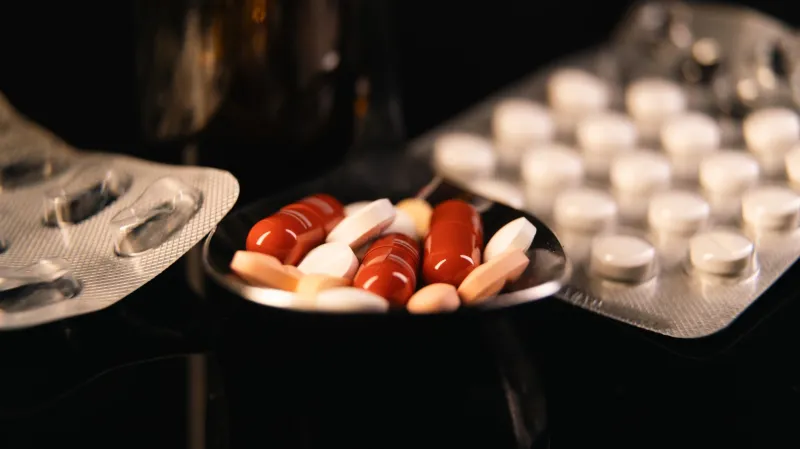
Beta-blockers, certain antihypertensives (particularly thiazide diuretics), selective serotonin reuptake inhibitors (SSRIs), and some prostate medications—including 5-alpha reductase inhibitors like finasteride—have documented associations with erectile dysfunction and reduced libido. In many cases, men attribute these effects to aging when the pharmacological cause goes unexamined.
A candid conversation with a prescribing physician about medication-related sexual side effects is often the first step toward identifying a reversible contributor. In some cases, switching drug classes or adjusting dosages can produce meaningful improvements without compromising the underlying therapeutic goal.
Evidence-Based Strategies for Sustaining Erectile Health
The research converges on several modifiable behaviors with strong evidence for preserving erectile function across decades.
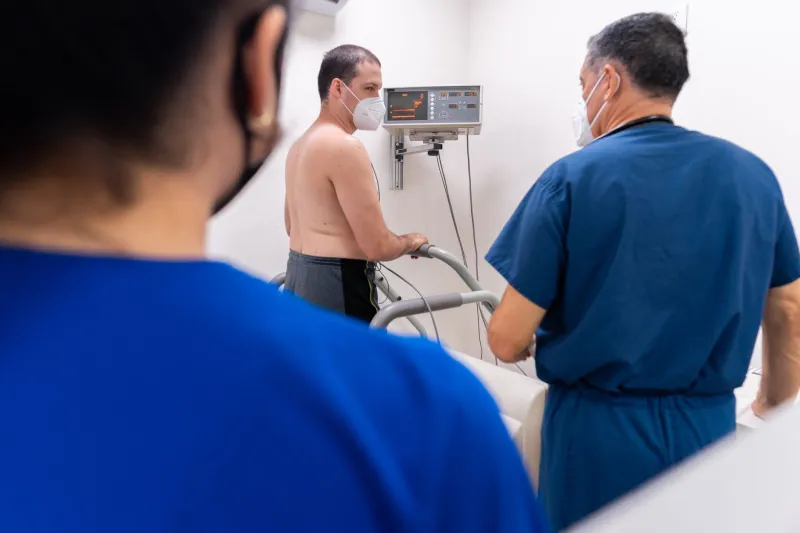
Aerobic exercise consistently emerges as one of the most potent non-pharmacological interventions. A meta-analysis published in the Journal of Sexual Medicine found that moderate-intensity aerobic activity—approximately 40 minutes, four times per week—produced clinically significant improvements in erectile function scores, particularly in men with cardiovascular risk factors. The mechanism is largely endothelial: regular aerobic exercise upregulates nitric oxide synthase and improves vascular reactivity.
Dietary patterns aligned with Mediterranean principles—high in vegetables, legumes, whole grains, fish, and olive oil—have been associated with lower rates of ED in observational studies. The PREDIMED trial and subsequent analyses suggest that dietary quality influences erectile function through its effects on systemic inflammation and endothelial health.
Weight management is particularly consequential. Obesity is independently associated with reduced testosterone, elevated estrogen (due to peripheral aromatization in adipose tissue), and worsened endothelial function. Studies have shown that meaningful weight loss—even without pharmaceutical intervention—can restore erectile function in men with obesity-related ED.
Sleep quality is an emerging area of clinical interest. Testosterone secretion is heavily nocturnal, and disrupted sleep—particularly from obstructive sleep apnea, which is prevalent among middle-aged American men—suppresses testosterone production and impairs vascular recovery. Treating sleep apnea has been associated with improvements in both hormonal profiles and erectile function.
The Role of Phosphodiesterase-5 Inhibitors Across Age Groups
For men who require pharmacological support, phosphodiesterase-5 (PDE5) inhibitors—including sildenafil, tadalafil, and vardenafil—remain the first-line treatment recommended by the American Urological Association. These agents work by amplifying the nitric oxide signaling pathway, enhancing blood flow in response to sexual stimulation.
Importantly, these medications are not age-specific interventions. They are effective across a broad age range, and their efficacy is not substantially diminished by age alone. What does influence responsiveness is the degree of underlying vascular disease—men with severe arterial insufficiency may find PDE5 inhibitors less effective, which underscores once again the centrality of cardiovascular health to erectile capacity.
Reframing the Narrative
The assumption that erectile decline is biologically inevitable is not only clinically inaccurate—it is actively harmful. It discourages men from seeking evaluation for conditions that are treatable, and it normalizes functional impairment that may be an early signal of systemic vascular disease.
The evidence suggests that men who maintain cardiovascular health, manage their medication profiles thoughtfully, prioritize sleep and physical activity, and engage proactively with their healthcare providers can sustain meaningful erectile function well into their later decades. Age is a variable, not a verdict.
For men navigating these questions, the most productive starting point is not resignation—it is an honest clinical assessment of the modifiable factors that are actually driving the changes they're experiencing.